
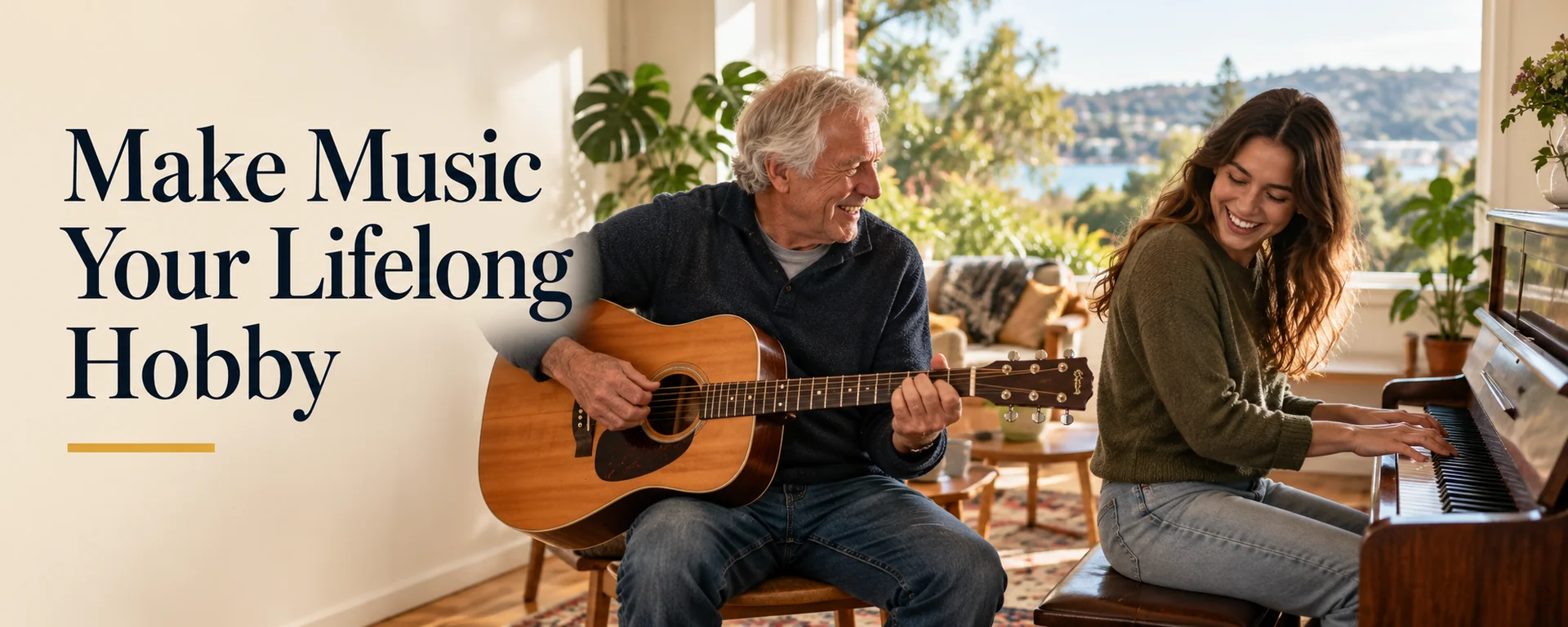
Music is one of those rare hobbies that can grow with you. From childhood through adulthood, it offers enjoyment, self-expression, and mental stimulation. In New Zealand, where music is an important part of cultural, social, and school life, many people want to continue making music long after their lessons or formal training finish. But how do you ensure music becomes a lifelong hobby rather than a short-term interest?
Whether you’re a beginner, a parent helping a child, or an adult returning to music, there are practical steps that can make music a sustainable and fulfilling part of your life.
Start With Enjoyment, Not Pressure
The most important factor in turning music into a lifelong hobby is enjoyment. Many students start learning music because of parental expectations or school programmes, but lasting interest develops when lessons, practice, and playing are fun.
For beginners, this might mean:
- Choosing an instrument they feel drawn to
- Exploring music they genuinely enjoy
- Playing songs they love, even if they are simple
When music is associated with positive experiences, it becomes something to look forward to rather than a chore.
Set Realistic Goals
Lifelong hobbies don’t require perfection — they require achievable, enjoyable goals. Small, regular successes motivate continued learning and enjoyment.
Consider goals such as:
- Learning one song per month
- Joining a school band or community choir
- Learning one new technique every few weeks
- Playing for friends or family
In New Zealand, many community music groups, kapa haka groups, church choirs, or amateur orchestras provide performance opportunities that encourage steady progress without the pressure of exams or competition.
Make Practice a Habit, Not a Burden
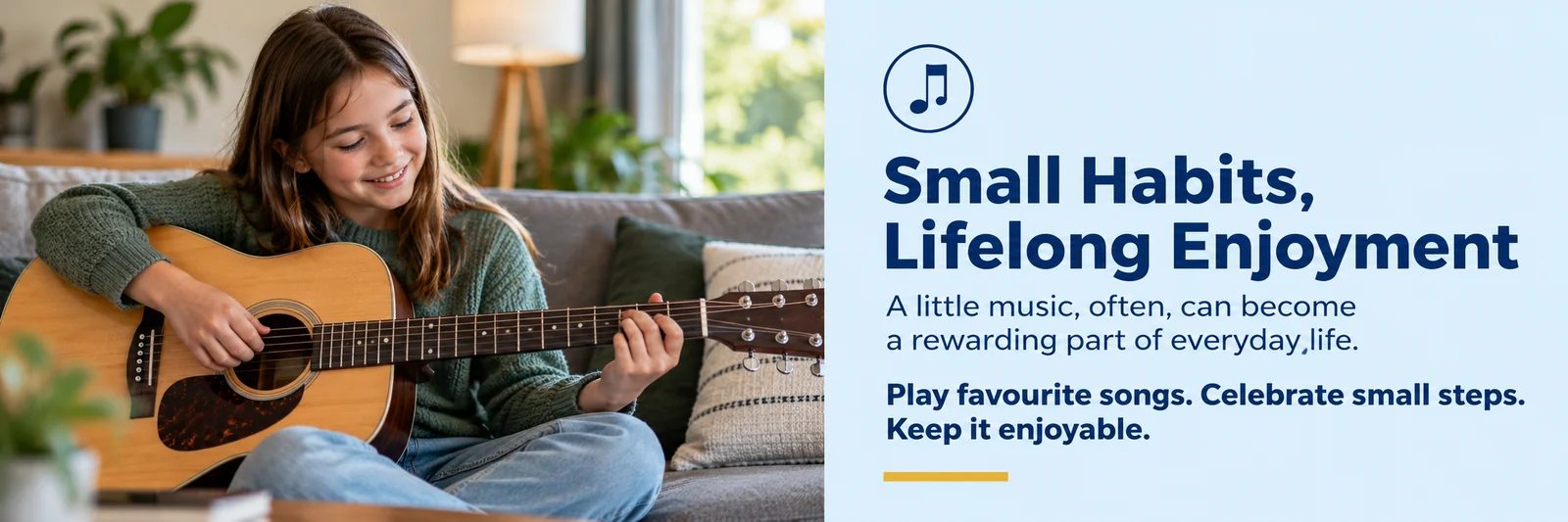
Consistency is key, but practice doesn’t need to be long or rigid. Even 10–15 minutes a day is enough to keep skills alive, especially if your practice is focused and enjoyable.
Some tips for building a lifelong practice habit:
- Schedule practice at a convenient time
- Use a mix of technical exercises and fun pieces
- Incorporate improvisation or composition
- Encourage short, frequent sessions rather than long, infrequent ones
For busy parents, scheduling practice around school, sports, or homework can help children see music as part of daily life rather than a separate, stressful activity. Adults can also benefit from keeping practice flexible and enjoyable.
Explore Different Styles and Instruments
Music doesn’t have to be limited to one genre or one instrument. Exploring different styles keeps interest alive and develops broader skills.
In New Zealand, students might try:
- Classical piano or violin
- Guitar for pop, rock, or folk
- Drumming in a school or community band
- Singing in a choir or solo performance
- Māori or Pasifika instruments and traditional music
Trying new instruments or styles can reignite enthusiasm and allow musicians to adapt their hobby as their interests evolve.
Stay Social
Music is often more rewarding when shared. Playing with others helps maintain motivation and fosters a sense of community.
Opportunities in New Zealand include:
- School ensembles or bands
- Community choirs and orchestras
- Local festivals and competitions
- Cultural music groups
- Online collaborations and virtual jam sessions
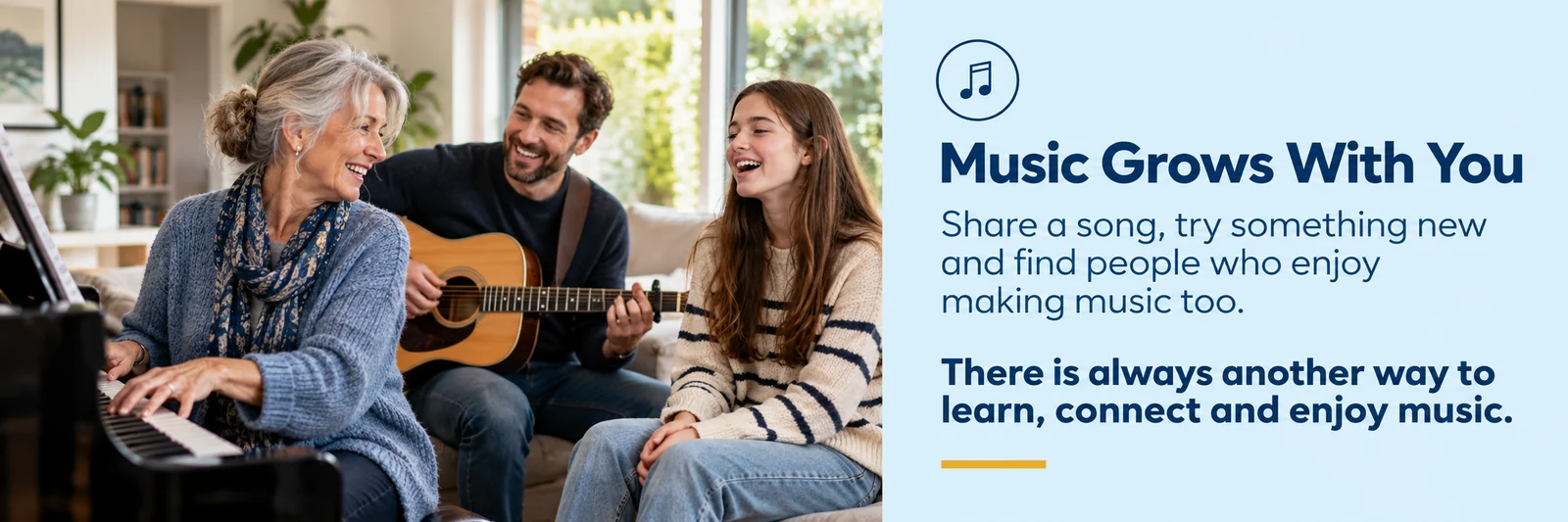
Sharing music with friends or family can also make practice more enjoyable and reinforce the habit. Music becomes part of social life, rather than a solitary activity.
Combine Music With Other Interests
Music can complement other hobbies and interests, making it even more sustainable. For example:
- Combine music with theatre or drama
- Create music for film, animation, or multimedia projects
- Learn music technology or recording
- Use music for relaxation, mindfulness, or stress relief
When music connects with other passions, it becomes more integrated into daily life, rather than an “extra” activity.
Don’t Let Perfectionism Get in the Way
Many people stop making music because they feel they’re not good enough. Lifelong music enjoyment is about progress, curiosity, and expression — not perfection.
Encourage yourself or your child to:
- Celebrate small achievements
- Focus on musicality and enjoyment, not just technique
- Learn to embrace mistakes as part of the process
Perfectionism can kill motivation, but a relaxed approach keeps music fun and sustainable.
Use Technology to Support Your Hobby
Today’s technology makes it easier than ever to maintain music as a hobby. Apps, online tutorials, and virtual lessons can provide guidance and inspiration without the cost or scheduling constraints of formal lessons.
Some useful approaches include:
- Online sheet music or tablature
- Instructional apps for technique and rhythm
- Recording and playback for self-assessment
- Virtual ensembles or online jam sessions
In New Zealand, online resources are particularly valuable for students in smaller towns or rural areas, where access to in-person lessons or ensembles may be limited.
Consider Lifelong Learning Opportunities
Music is an endless journey. Even experienced musicians continue to learn new techniques, styles, and instruments. Lifelong music education keeps your hobby fresh and engaging.
Ways to continue learning in New Zealand:
- Private lessons for skill refresh or advanced techniques
- Community workshops or summer music schools
- Online courses for theory, composition, or technology
- Music clubs, adult ensembles, or amateur orchestras
Approaching music as a lifelong learning process shifts focus from exams or competitions to curiosity and enjoyment — the foundation of a hobby that lasts.
Encourage Family Support
For children and teens, family support is crucial. Practising, attending performances, and celebrating achievements all reinforce the value of music as a long-term pursuit.
Tips for parents:
- Attend lessons and performances
- Offer encouragement, not pressure
- Provide space and time for practice
- Celebrate progress, not just results
Supportive family environments help children see music as a rewarding and achievable lifelong hobby.
Balance Music With Life
A lifelong hobby fits naturally into daily life. It shouldn’t feel like an obligation, but a choice. Encouraging balance ensures music remains sustainable:
- Practice regularly but flexibly
- Mix lessons, self-learning, and social music
- Combine music with work, school, or other hobbies
- Avoid burnout by taking breaks when needed
Balance helps music remain enjoyable through all stages of life — from school years to adulthood.
Make Music Fun, Always
Ultimately, the key to making music a lifelong hobby is simple: keep it fun. The students who continue playing for decades are the ones who find joy in the process, not just the performance.
Strategies to keep music fun include:
- Play favourite songs
- Try new genres
- Experiment with improvisation
- Participate in concerts, recitals, or community events
- Make music social, collaborative, and expressive
Fun is what sustains interest over years, even decades. Music that is enjoyable becomes a cherished part of life.
Music can be a lifelong hobby for anyone — young or old, beginner or advanced. The keys are enjoyment, achievable goals, consistent practice, exploration, social connection, and a flexible, supportive approach.
In New Zealand, where cultural, community, and school-based music opportunities are abundant, it’s easier than ever to incorporate music into daily life. Whether you play piano, ukulele, guitar, drums, or sing in a choir, following these principles helps ensure that music stays a joyful, rewarding part of your life — for years to come.
Remember, lifelong music isn’t about perfection. It’s about curiosity, creativity, connection, and the pleasure of making sound that moves you. With the right mindset, music isn’t just a hobby — it’s a lifelong companion.