

What Is Music Theory, Really?
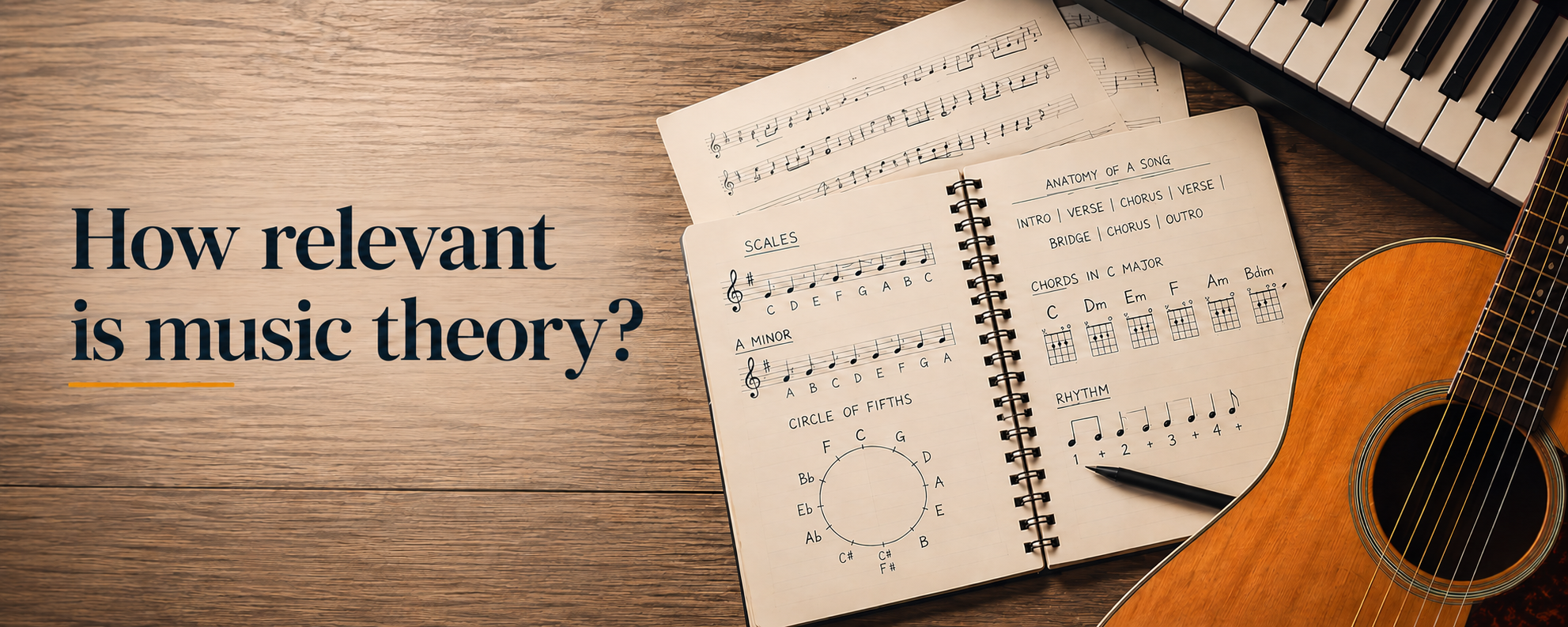
Music theory can sound a bit intimidating. Some people picture difficult exams, complicated symbols, or pages of musical terms. But in reality, music theory is simply understanding how music works.
It’s the patterns behind the songs we hear every day.
When students learn music theory, they begin to understand things like:
- rhythm and keeping in time
- how melodies work
- how songs are structured
- how to read music
- how chords fit together
Even students who don’t realise they are learning theory are often already using it. Clapping rhythms, recognising patterns, or learning a simple chord progression are all forms of music theory.
Rather than being a separate subject, theory is simply part of learning music.
Why Is Music Theory Still Relevant?
Music has changed a lot over the years, but the foundations of music are still the same. Whether someone is learning piano, guitar, singing, drums, or ukulele, understanding the basics helps make learning easier and more enjoyable.
- It helps students learn faster
Students who understand basic musical patterns often pick up songs more quickly and make sense of new music more easily.
Instead of memorising every note one at a time, they begin to recognise familiar ideas that appear in lots of songs.
- It builds confidence
One of the biggest benefits of theory is confidence.
Students become more independent because they understand what they are playing instead of simply copying it. This helps them correct mistakes, learn new pieces more easily, and feel more comfortable during lessons.
- It supports every instrument
Theory is useful for every instrument.
A drummer might focus more on rhythm, while a singer learns about pitch and timing. Guitarists use chord patterns, while pianists learn how music is written and organised.
Even simple theory helps students become more well-rounded musicians.
- It makes lessons easier to follow
Music teachers often use terms like:
- bars
- beats
- rhythm
- chords
- tempo
Students with some theory understanding can follow instructions more easily, which helps lessons run more smoothly and reduces frustration.
- It supports creativity
Some people think theory makes music too “structured,” but most teachers find the opposite.
Understanding how music works actually helps students:
- improvise
- play by ear
- write songs
- experiment with ideas
- feel more confident trying new things
Does Every Beginner Need Formal Theory Lessons?
Not necessarily.
For younger beginners especially, theory is usually taught naturally during practical lessons. Students often learn theory without even realising it.
For example:
- clapping rhythms teaches timing
- reading notes teaches pitch
- learning chords teaches patterns in music
- scales help students understand how songs are built
As students progress, a stronger understanding of theory becomes more helpful, especially if they are preparing for exams or learning more advanced music.
Music Theory in the NZ Context
Music learning in New Zealand is very diverse. Students might learn through:
- school music programmes
- kapa haka
- church groups
- private lessons
- school bands
- YouTube tutorials
- learning at home with whānau
Many Kiwi students already experience music theory naturally through rhythm, repetition, listening, and playing with others.
Formal theory simply helps connect those experiences and gives students a clearer understanding of what they are hearing and playing.
Is Music Theory Necessary for Exams?
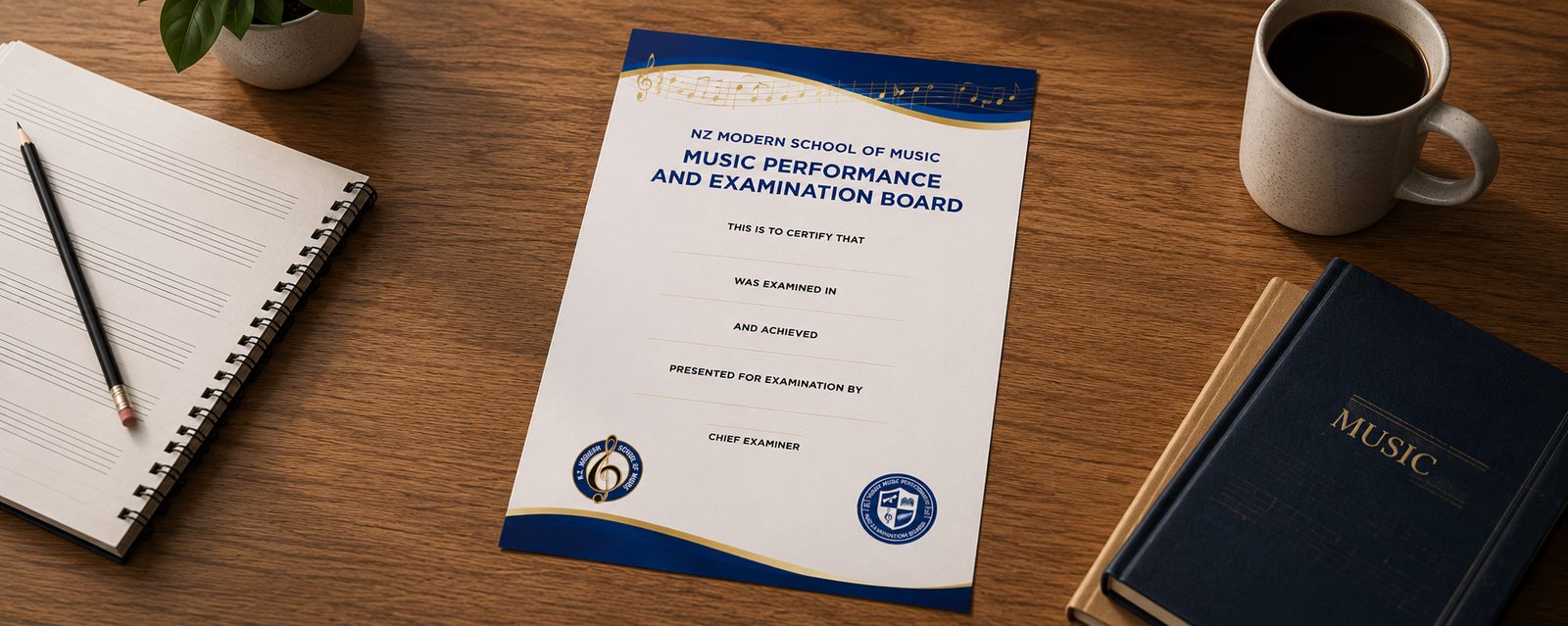
If students plan to sit formal music exams, theory becomes increasingly important.
Most exam systems expect students to understand:
- rhythm
- note reading
- timing
- musical symbols
- basic musical patterns
However, theory is still useful even for students who never sit an exam.
It helps students become more confident musicians and supports long-term progress no matter what style of music they enjoy.

Common Myths About Music Theory
“Theory is too hard.”
Theory is usually difficult only when taught too quickly or in a very academic way. When connected to real music and practical playing, most students learn it quite naturally.
“Theory ruins creativity.”
Good theory teaching actually encourages creativity. Students who understand music often feel more confident experimenting and creating their own ideas.
“You only need theory for classical music.”
Theory appears in every style of music — pop, rock, jazz, worship music, kapa haka, musical theatre, and modern chart music.
“You can just learn by ear.”
Learning by ear is a fantastic skill, but theory often helps students understand what they are hearing and makes it easier to progress further.
How Much Theory Does a Student Really Need?
That depends on the student and their goals.
For casual learners, a basic understanding is often enough to make lessons smoother and more enjoyable.
Students preparing for exams or advanced playing will usually need more detailed theory knowledge over time.
Most teachers agree that even a little theory helps students:
- learn more confidently
- understand songs more easily
- communicate better during lessons
- progress faster over time
How Theory Supports Long-Term Musical Growth
Students with a good grounding in theory often:
- learn music more quickly
- feel more confident reading music
- become more independent learners
- find it easier to switch instruments
- participate more confidently in bands, choirs, and groups
- understand what they are playing rather than simply memorising it
Over time, these small advantages can make a big difference.
So, How Relevant Is Music Theory?
Very relevant — but probably not in the way many people think.
Music theory is not just about exams or difficult terminology. At its best, it simply helps students understand music more clearly.
It supports confidence, creativity, independence, and long-term musical growth.
Whether a student wants to sit exams, play casually, join a band, sing for enjoyment, or simply build a lifelong love of music, theory helps provide the foundation that makes learning easier and more rewarding.